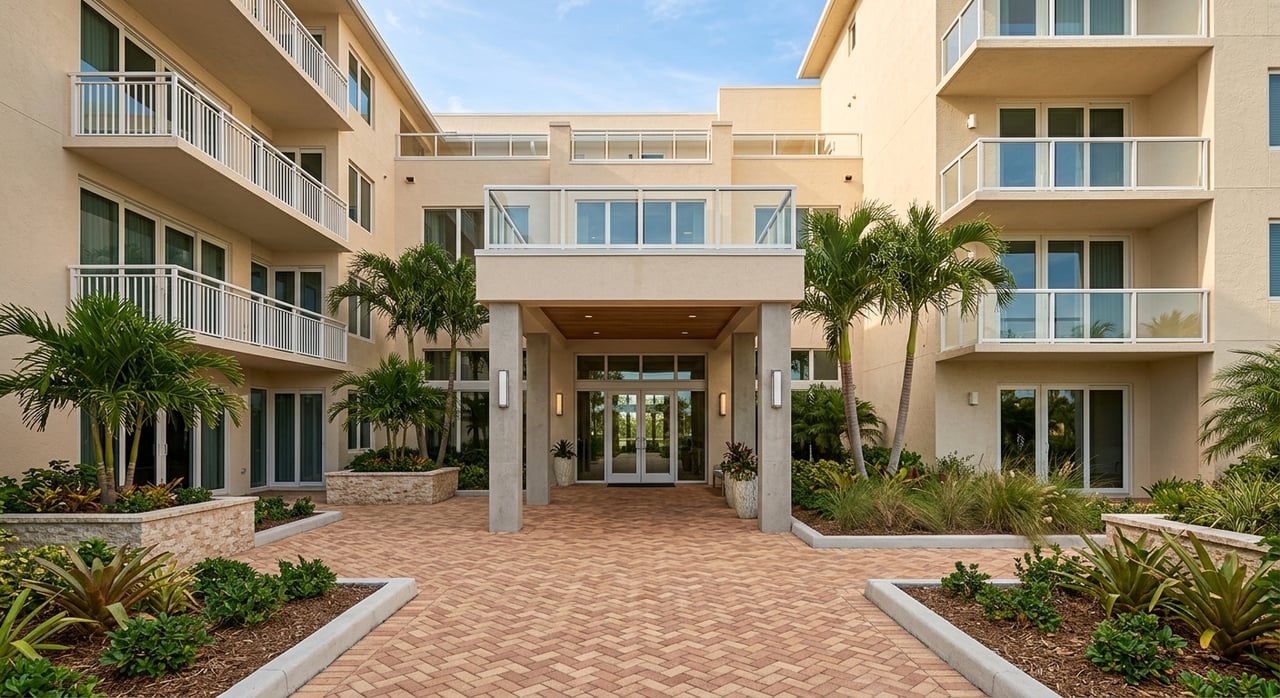
Buying in Orange Beach is exciting, but choosing between a condo and a beach house can shape your costs, flexibility, and day-to-day ownership experience for years. If you are trying to balance personal use, rental plans, storm considerations, and maintenance, it helps to look past the view and focus on how each property type actually works. Here is what you need to know to compare the options with more confidence. Let’s dive in.
Start With Orange Beach Rules
In Orange Beach, the decision is not only about property style. It is also about where the property sits and how the city treats that area.
According to the city’s Community Preservation and Growth Management Plan, the Beach Resort District along Highway 182 is where mid- to high-rise condominiums and hotels are predominant. The same plan also identifies districts that are primarily single-family in character and notes the city’s intent to preserve those neighborhoods.
That matters because a condo in a resort-oriented area may come with a very different ownership and rental setup than a detached house in a single-family area. Before you compare floor plans or amenities, make sure you understand the district, zoning, and any community rules that apply.
Short-Term Rental Rules Matter
If you hope to rent the property, this should be one of your first questions. Orange Beach defines a vacation rental as a one- or two-family residential dwelling rented for 14 consecutive days or less.
The city also states that vacation rentals are prohibited in the Neighborhood Preservation land-use category and should be prohibited in single-family residential neighborhoods. In simple terms, a detached beach house is not automatically a better rental option. In Orange Beach, rental potential is highly location-dependent.
Condo Ownership in Orange Beach
A condo often appeals to buyers who want a more managed ownership experience. You may have less direct responsibility for certain shared exterior systems, but you also step into a structure governed by an association.
Under Alabama condominium law, condo associations can adopt rules, prepare budgets, collect assessments, maintain insurance for common elements, and regulate the use and maintenance of shared areas. For you, that usually means more predictability in how the building operates, along with less individual control over some decisions.
What Condo Fees Really Mean
Condo fees are not just an added bill. They are part of how the property functions.
The association may use assessments for common expenses, insurance, and maintenance of common elements under state law. That can make ownership feel more streamlined, but it also means your costs are tied to the building’s budget, reserve planning, and governance.
When you look at a condo, review the declaration, bylaws, budget, and reserve practices closely. Those documents can tell you a lot about how the property is managed and whether the association’s financial approach aligns with your comfort level.
The Condo Lifestyle Tradeoff
For many buyers, the biggest advantage of a condo is convenience. Shared systems and association oversight can reduce the number of exterior maintenance decisions you handle on your own.
At the same time, the condo model comes with another administrative layer. Orange Beach notes that hurricane re-entry decals for condos, townhomes, and HOAs are distributed through the association, while single-family residents obtain them directly from the city. It is a small example, but it reflects how condo ownership often runs through community governance.
Beach House Ownership in Orange Beach
A detached beach house usually gives you more privacy and more direct control over the property. If you value space, separation from neighbors, and a more independent ownership experience, that can be a strong advantage.
The tradeoff is that more responsibility sits with you. Without a condo association managing common elements, you are generally more exposed to the full scope of exterior upkeep, storm-related repair planning, and compliance decisions.
More Control, More Responsibility
Orange Beach’s code enforcement guidance shows that individual properties are subject to city oversight for issues such as overgrown lots, drainage concerns, unsafe structures, and illegal construction. The city also says permits are required before construction work begins.
For a house owner, that creates a more hands-on ownership model. You may have more freedom in how you use and maintain the property, but you are also the one coordinating more of the work and making more of the decisions.
Rental Potential Is Not Automatic
Many buyers assume a beach house offers easier short-term rental income. In Orange Beach, that assumption can lead to trouble if you do not verify the property first.
Because the city distinguishes resort-oriented areas from neighborhood-preservation areas, and because vacation rentals are restricted in certain categories, the right detached house for personal use may not be the right detached house for rental use. You also need to review any HOA or declaration rules that may affect occupancy and leasing.
Compare the Main Cost Drivers
Whether you choose a condo or a beach house, the biggest financial differences often come down to taxes, insurance, and rental-related costs. These items can affect long-term affordability just as much as the purchase price.
Property Tax Classification
Baldwin County’s property tax calculator classifies Class III property as owner-occupied homesteads and second homes that are not rented. Class II applies to rental property.
The county also states that only Class III properties qualify for homestead exemptions, and if a property is rented even one day during the year, it is treated as rental property for the entire year. That is a major consideration if you are deciding between a personal-use second home and a property you may place into a rental program.
Flood Insurance and Flood Zones
Flood exposure is a major ownership issue in Orange Beach for both condos and houses. The city’s Floodplain Management resources explain that the community is on a Gulf Coast shoreline with a high probability of flooding and includes zones such as AE, AO, Coastal AE, and VE.
The city also notes that flood insurance is not included in standard homeowners insurance, there is a 30-day waiting period, and federally backed mortgages in high-risk flood zones require flood insurance. Orange Beach further states that owners may qualify for a 20% flood-insurance discount through the city’s Community Rating System participation.
Before you buy, confirm the flood zone for the specific property. The city maintains an interactive floodplain map and says you can request a specific flood-zone determination.
Lodging Tax and Business License
If you plan to rent the property, Orange Beach says its current lodging tax is 16% of the rental rate, cleaning fee, and parking passes if applicable. The city also says the business license for renting a condo or house is the owner’s responsibility, even when a management company handles the rental.
That means rental ownership involves more than just booking income. You need to account for compliance, taxes, and the local administrative steps that come with operating a rental property.
Which Option Fits Your Goals?
The best fit often depends less on the property type itself and more on how you plan to use it.
If you want a more managed experience, shared services, and a property that may feel easier to own from a distance, a condo may be the better match. If you want more privacy, more direct control, and are comfortable taking on more maintenance and property-level decisions, a beach house may suit you better.
In Orange Beach, there is one more layer to keep in mind. The right answer depends heavily on the exact district, flood zone, and whether the property will be a primary residence, second home, or rental.
Smart Questions to Ask Before You Buy
Before you make an offer on either property type, ask these questions:
- Is the property in a district where short-term rentals are allowed?
- Are there HOA, condo declaration, or community rules that limit leasing or occupancy?
- What flood zone is the property in?
- What insurance requirements or costs should you expect?
- Will the property be treated as Class II or Class III for tax purposes?
- If it is a condo, what do the association budget and reserves look like?
- If it is a house, what maintenance and permit-related responsibilities will fall directly on you?
A thoughtful review upfront can save you from expensive surprises later.
A Local Approach Helps
Orange Beach is not a one-size-fits-all market. Two properties with similar price points can come with very different ownership realities depending on location, zoning, flood exposure, and rental intent.
That is why local guidance matters. When you compare condos and beach houses with the right facts in hand, you can make a decision that supports both your lifestyle and your financial goals.
If you are weighing your options in Orange Beach, Shannon King Jha offers a concierge-level, locally informed approach to help you evaluate property type, ownership costs, and the details that matter most to your plans.
FAQs
Can a condo in Orange Beach be used as a short-term rental?
- It depends on the property’s district, zoning, and the condo association or declaration rules. Resort-oriented areas may differ significantly from single-family or neighborhood-preservation areas.
Can a beach house in Orange Beach be rented short-term?
- Not always. Orange Beach says vacation rentals are prohibited in the Neighborhood Preservation land-use category, so detached-house rental potential is highly location-dependent.
What do condo fees cover in an Orange Beach condo?
- Condo fees generally support common expenses, association budgeting, insurance for common elements, and maintenance of shared areas, based on the association’s governing documents and budget.
How does flood insurance affect Orange Beach condos and beach houses?
- Flood insurance can be a major cost factor for both property types because Orange Beach has multiple flood zones, and standard homeowners insurance does not include flood coverage.
How are Orange Beach second homes and rentals taxed in Baldwin County?
- Baldwin County classifies second homes that are not rented as Class III, while rental property is Class II. If a property is rented even one day during the year, it is treated as rental property for the full year.
What should you review before buying an Orange Beach condo?
- You should review the declaration, bylaws, association budget, reserve practices, rental rules, and the property’s flood-zone information before moving forward.