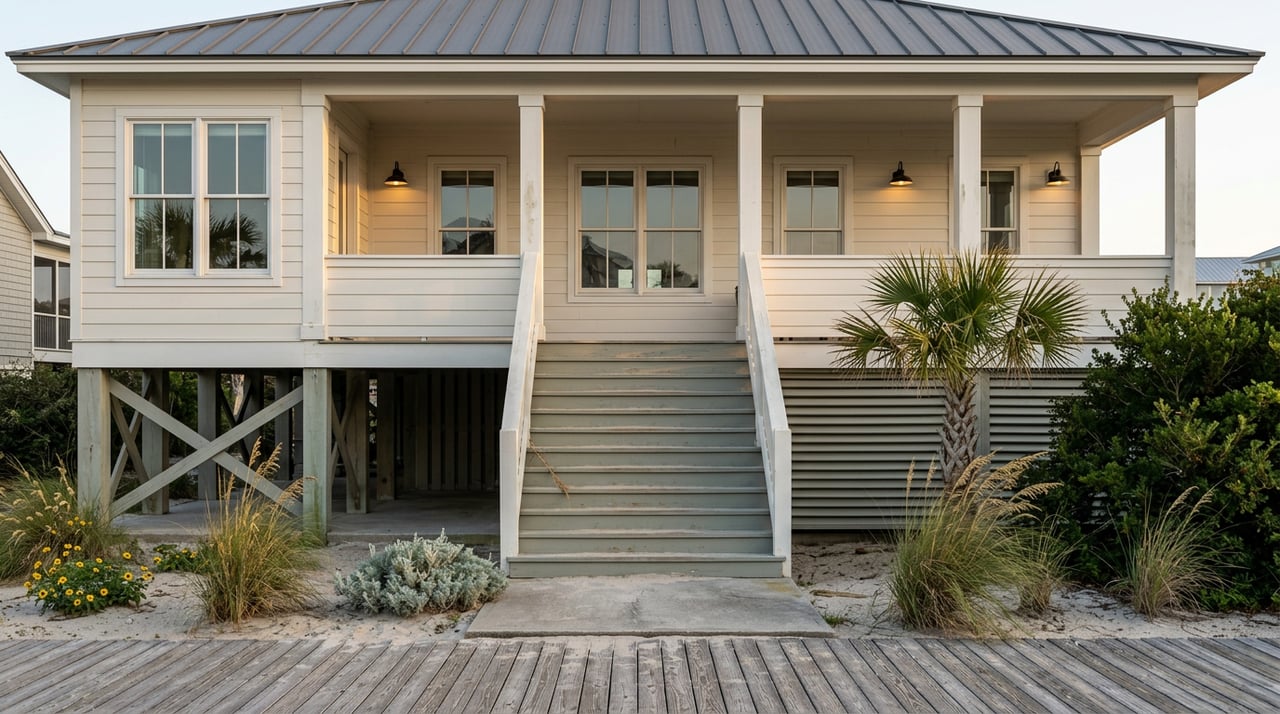
You picture morning coffee on the balcony in January, the sound of waves, and a beach town that still feels alive after summer ends. Owning a Gulf Shores beach house year-round can deliver that lifestyle, as long as you plan for storms, salt air, and a steady flow of visitors. In this guide, you’ll learn the seasonal rhythm, insurance and storm planning, rental rules, and a practical upkeep calendar. Let’s dive in.
Year-round rhythm in Gulf Shores
Gulf Shores runs on a four-season coastal cycle. Winters are generally mild with daytime highs in the 50s and 60s, while summers are hot and humid. Visitor demand is strongest from late spring through early fall, with spring break and holiday weekends bringing full beaches.
Tourism leaders point to strong year-round visitation, with multi-million annual visitor totals that support dining, events, and services even outside peak months. You can get a feel for this pace from recent community updates that highlight steady off-season travel and a busy events calendar from local tourism.
If you live here full time, expect quieter beaches and pleasant weather in winter, then a lively, walkable scene from May through October. If you split time, shoulder seasons can be a sweet spot for owners who enjoy warm water with fewer crowds.
Storm season and insurance planning
Coastal ownership means planning around hurricane season each year. The official Atlantic hurricane season runs from June 1 to November 30, so you should have a clear plan for securing your home and responding to watches and warnings. Check the National Hurricane Center for the latest forecasts and preparedness tools.
Recent history shows why preparation matters. In 2020, Hurricane Sally made landfall near Gulf Shores and produced severe flooding and wind damage across the area. You can review the National Hurricane Center’s Tropical Cyclone Report on Sally to understand the impacts and recovery timelines.
Insurance is a key budget line. FEMA’s Risk Rating 2.0 now prices flood insurance based on property-specific factors, so two neighboring houses can have very different premiums. Treat flood and wind coverage as routine, potentially substantial costs, and request quotes early in due diligence. This Risk Rating 2.0 overview explains how elevation, distance to water, and construction details affect your rate.
Renting your Gulf Shores home
If you plan to host guests, the city has clear rules and steps to follow.
License, inspection, and lodging tax basics
- You must obtain a City of Gulf Shores rental/business license if you rent your property within city limits. Licensed rentals require a safety inspection every 3 years and a designated local emergency contact. Review the rules and application on the city’s Rental License page.
- Lodging taxes must be collected from guests and remitted monthly. Rates differ by exact location within the city or its police jurisdiction, so confirm your address-specific rate and filing process on the Lodging Tax page.
- Zoning and HOA rules can limit short-term rentals, parking, or occupancy. The city’s licensing process includes a zoning review. If you are buying a condo or home with an HOA, read the covenants during your due diligence.
What to budget for hosting
Short-term rentals can offset costs during peak months, but you should model realistic expenses:
- Property management: Full-service managers commonly charge about 15 to 30 percent of gross rental revenue. Fee structures vary, so compare what is included, such as marketing, guest support, and maintenance coordination. See an industry overview of management fees.
- Demand and rates: Occupancy and nightly rates usually peak in summer and around special events. Market snapshots for Gulf Shores show notable summer spikes, but results depend on bedroom count, beach proximity, and amenities. Review local analytics to calibrate your numbers, such as this market overview.
- Other costs: Cleaning and turnover, utilities, HOA dues, insurance, routine maintenance, and repairs. Remember to collect and remit lodging and sales taxes per city rules.
Seasonal maintenance checklist
Year-round coastal care prevents bigger repairs later. Humidity, salt air, and storms require a steady rhythm of upkeep.
Year-round care
- Service HVAC twice a year, replace filters, and use dehumidification in enclosed spaces to manage moisture.
- Inspect for salt-air corrosion on fasteners, railings, outdoor lighting, and hinges. Rinse metal surfaces and apply protective coatings as needed.
- Schedule annual termite inspections and maintain consistent pest control. Regional experts emphasize prevention and monitoring in coastal Alabama due to persistent termite risk. Learn more from the UF/IFAS Extension guidance.
- Check roofs and gutters after storms, and keep a local emergency contact on file.
Spring prep: February to April
- Deep clean interiors, refresh paint where needed, and test all appliances.
- Service pools or hot tubs, and inspect decks, railings, and exterior caulking.
- Confirm storm shutters and hurricane protections are working, and review insurance details and contact lists.
- If you rent, confirm your city-required safety inspection status and records on the rental license checklist.
Summer peak: May to August
- Expect more frequent linen and supply replacement, heavier HVAC loads, and quicker wear in kitchens and baths.
- Increase pest-control frequency and watch shaded or damp areas for signs of mold.
- If you self-manage, plan for same-day turnovers, rapid maintenance response, and 24/7 guest communications.
Fall prep: September to November
- Secure outdoor furniture and store small watercraft well before the most active storm weeks.
- Elevate or disconnect exterior electrical items where feasible and document the property’s condition with photos for insurance.
- Use favorable weather windows to complete exterior repairs and repainting.
- Follow updates from the National Hurricane Center during active systems.
Winter projects: December to February
- Tackle bigger jobs like deck work or exterior paint while guest stays are lighter.
- If the home sits unoccupied, keep HVAC on an energy-saving schedule to manage humidity, and arrange weekly check-ins.
- Consider leak sensors and remote monitoring for HVAC and water systems.
Infrastructure and projects that affect owners
Power outages can occur during storms. Baldwin EMC, the region’s major electric cooperative, follows a structured storm response with mutual-aid partners. Review their planning approach and build your own contingency for temporary outages using this storm logistics overview.
Beach renourishment and dune projects occur periodically and may temporarily limit public access in work zones. These multi-agency efforts support shoreline health and long-term community resilience. If your property is near a project area, watch city and county announcements for timing and coordination.
Cost context and property taxes
Beyond insurance and maintenance, budget for utilities, HOA fees where applicable, and routine replacements common in a salt-air setting. Alabama’s property taxes are not among the highest nationally, and the City of Gulf Shores publishes millage information to help owners estimate bills by property classification. For current millage details and filing information, start with the city’s taxes and millage summary.
If you plan to rent, model net income after management fees, cleaning, utilities, insurance, HOA, and maintenance, and remember to account for lodging and sales taxes. Use property-specific rental analytics and fresh insurance quotes rather than general rules of thumb.
Is a year-round beach house right for you?
If you value mild winters, beach access, and an active coastal calendar, Gulf Shores can work well as a full-time or part-time home base. The tradeoff is a hands-on approach to storm readiness and ongoing maintenance that protects your investment. If you plan to host guests, clear systems and local partners make all the difference in peak season.
Whether you are exploring a primary home, a second home, or a coastal condo, concierge guidance shortens the learning curve. For neighborhood insight, property-specific due diligence, and a clear plan to buy or prepare your home for the market, connect with Shannon King Jha.
FAQs
Is year-round living in Gulf Shores practical for new owners?
- Yes. Winters are generally mild and the area supports steady tourism and events through the year. The key is planning for storm season, salt-air maintenance, and your desired level of rental hosting.
When is hurricane season in Gulf Shores, and how should I prepare?
- The Atlantic season runs June 1 to November 30. Create a checklist to secure outdoor items, protect systems, and document the property, and follow updates from the National Hurricane Center.
Do I need flood insurance for a Gulf Shores beach house?
- If you have a mortgage in a high-risk flood zone, your lender will require it. Even outside mapped high-risk areas, parcel-specific pricing means you should get quotes and consider mitigation under FEMA’s Risk Rating 2.0.
What licenses and taxes apply if I rent my home short term in Gulf Shores?
- You must obtain a city rental/business license, pass a safety inspection every 3 years, designate a local emergency contact, and collect and remit lodging and sales taxes according to the city’s filing schedule.
How much should I expect to pay a property manager for short-term rentals?
- Full-service managers often charge about 15 to 30 percent of gross revenue. Compare inclusions like marketing, guest communications, maintenance coordination, and reporting before you choose.
What maintenance issues are most common for coastal homes in Gulf Shores?
- Humidity, salt-air corrosion, and termites are the big three. Plan twice-annual HVAC service, regular exterior inspections, and consistent termite prevention with a local pest professional.