You only get one shot to introduce a historic Fairhope home to the market. Buyers are drawn to charm, but they also expect clarity on condition, permits, and coastal risks. If you prepare thoughtfully, you can protect the home’s story, remove buyer friction, and capture a premium. This guide shows you what to verify, what to fix, and how to market character the right way. Let’s dive in.
Know your home’s status
Verify district and “contributing” status
Fairhope maintains survey maps and reports that outline historic districts and identify which properties are contributing. Start by checking the City’s Historic Structures resources to confirm your home’s district and status. If your property is within the Downtown Fairhope Historic District, review the City’s Downtown survey for era context and National Register details. These documents shape your narrative and may affect incentives and buyer interest.
- Explore the City’s Historic Structures pages for survey maps and reports: City of Fairhope — Historic Structures
- Review the Downtown district survey: Downtown Fairhope Historic District survey
Contact the Historic Preservation Commission early
The Historic Preservation Commission offers education, guidance on incentives, and advisory support. If you plan exterior work before listing, reach out early to align with local expectations and avoid missteps that could hurt value. Find meeting materials and contact info here: Fairhope Historic Preservation Commission.
Track demolition-review updates
In December 2025, a demolition-review proposal with a 15-day education period was presented to the City Council. Rules can change, so confirm current ordinance language before advising on demolition or major exterior changes. Read local reporting and then verify with the City: local report on the HPC demolition-review proposal.
Confirm land, flood, and permits
Fairhope Single Tax leaseholds explained
Some Fairhope homes sit on land leased from the Fairhope Single Tax Corporation rather than fee-simple land. Leaseholds can affect transfer steps, financing, and disclosures. Before listing, confirm whether your lot is FSTC land and gather current lease documents and assignment rules so buyers and lenders have what they need. For background, see the legal history here: Birmingham Trust Nat. Bank v. Henley (FSTC context).
Flood zones and elevation certificates
Parts of Fairhope fall within FEMA Special Flood Hazard Areas. Determine your flood zone, whether an elevation certificate exists, and if flood insurance is required. This information shapes buyer expectations and financing, so include it in your disclosure packet. City guidance is here: Fairhope Floodplain Management and FEMA resources.
Prepare with preservation first
Start with targeted inspections
Order a pre-listing inspection and add specialty checks: roof, foundation or structural, termite or wood rot, HVAC, and electrical. Given our coastal setting, confirm flood risk and elevation as well. If you intend to address exterior items in a historic district, consult the HPC before changes so your fixes support value and compliance.
Boost curb appeal without losing charm
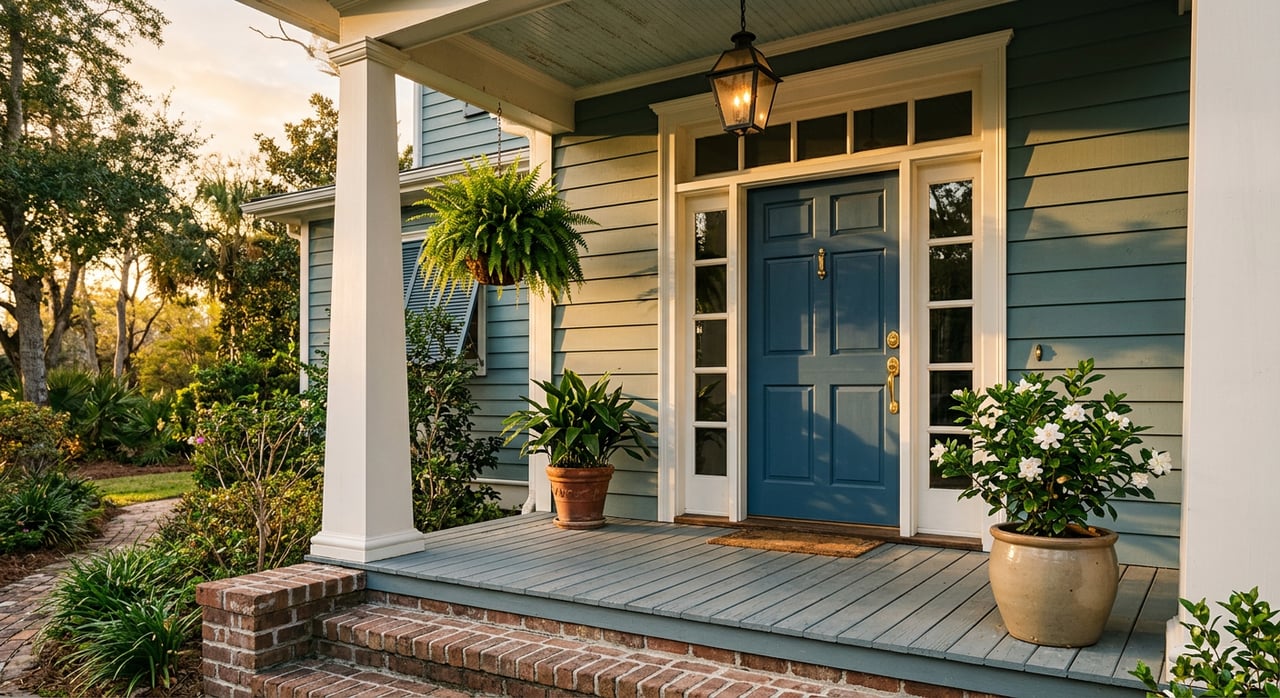
Buyers form strong first impressions at the sidewalk. Focus on tidy landscaping, safe and repaired porch steps or railings, a fresh period-appropriate front door color, and a gentle clean of siding or brick. National agent guidance shows exterior touch-ups and staging often deliver strong returns for sellers. See value-focused upgrade ideas: What upgrades increase home value.
Keep original fabric visible
Preserve and highlight original moldings, mantels, built-ins, and floors. If windows are drafty, consider weather-stripping or interior storm windows rather than replacement when feasible. When you must replace, use sympathetic materials and document all work. For exterior choices, lean on the City’s preservation resources: Fairhope Historic Preservation Commission.
Update systems, refresh kitchens and baths
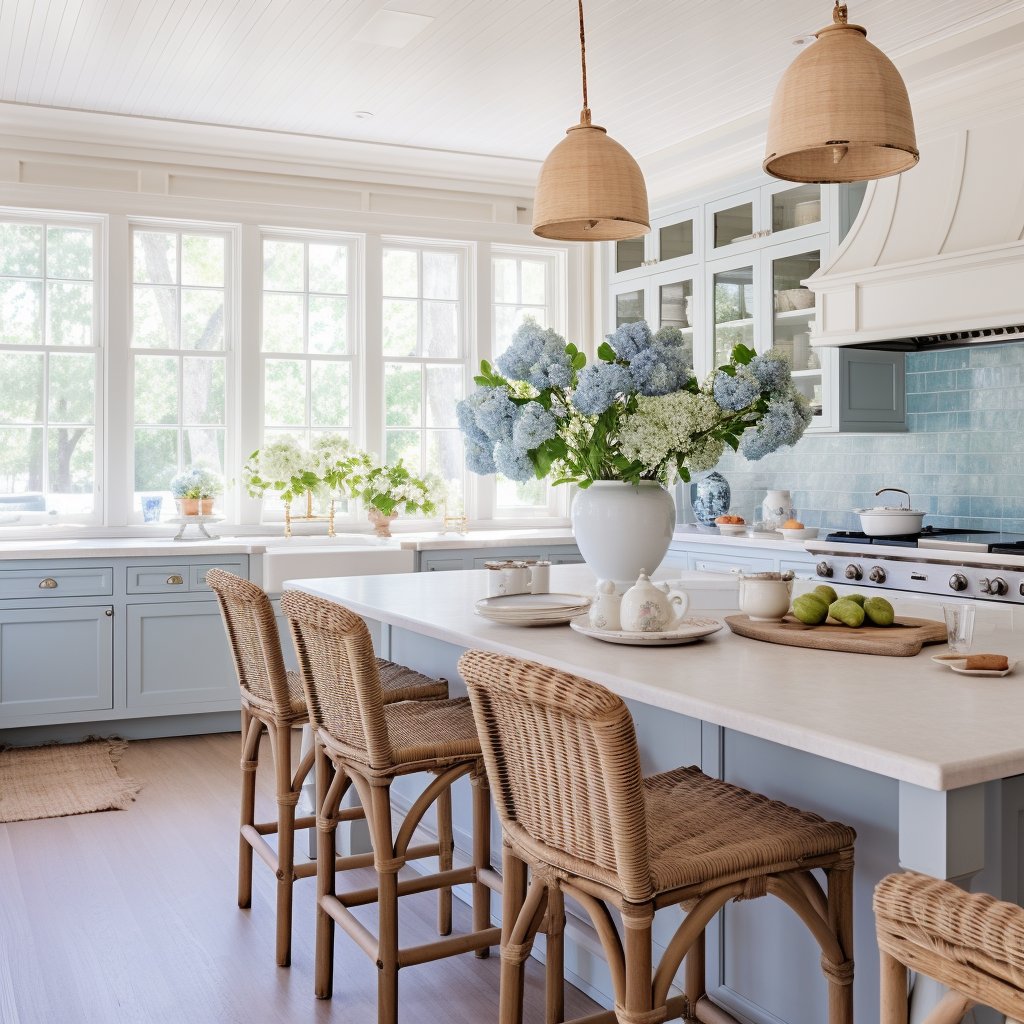
Invisible reliability sells. Up-to-code electrical, plumbing, and HVAC reduce renegotiation risk and improve buyer confidence. For kitchens and baths, period-sensitive refreshes often beat full gut remodels on cost recovery. Simple wins include refacing cabinetry, updated hardware and lighting, and modern yet classic fixtures. Explore national guidance on high-ROI “minor” projects: Value-minded improvement guidance.
Turn history into marketing
Gather provenance and records
Create a documentation packet buyers can trust. Include prior surveys, historic district or National Register references, old photos, restoration invoices, permit history, termite and roof reports, and mechanical service records. Organized provenance supports premium pricing and eases due diligence.
Create visual assets buyers expect
Professional photography should showcase porches, moldings, staircases, built-ins, mantels, and original floors. Use golden-hour exteriors and a logical room-to-room tour. Add a measured floor plan so buyers understand older layouts. Staging matters too. The National Association of REALTORS reports many agents see staged homes sell faster and for higher offers. Review the data here: NAR Profile of Home Staging (2025).
Stage for character and lifestyle
Stage to reveal architectural details, not hide them. Keep mantels, built-ins, and casings visible. Prioritize the living room, kitchen, and primary bedroom. Complete staging before photography so your visuals match what buyers will see at showings.
Pricing and audience strategy
Price against the right comps, not just citywide averages. In Fairhope’s historic core, buyers often pay a premium for well-documented, turnkey character homes. Adjust strategy for any FSTC leasehold or mapped flood zone, since these factors can affect financing and insurance. Lean on a local agent with historic know-how for comp selection, narrative positioning, and negotiations.
Likely buyers include design-minded locals, retirees and empty nesters who value walkability and the arts, and second-home purchasers seeking a coastal lifestyle. Your listing should speak to livability now and preservation stewardship for the long term.
Targeted distribution channels
Beyond MLS and standard syndication, add channels that match historic-home buyers. Consider local preservation groups, historic-house social communities, regional luxury networks, and broker events that invite architects and design-focused agents. Lifestyle audiences in Coastal Alabama track stories about historic districts and architecture, which you can reference through cultural outlets like this overview: Southern architecture and historic districts in Coastal Alabama.
90-day prep timeline
- Weeks 10 to 12: Order inspections, confirm FSTC or fee-simple land status, request flood and elevation info, and pull historic survey documentation from the City’s pages. If exterior work or incentives matter, contact the HPC. Start here: Historic Structures resources.
- Weeks 6 to 8: Complete safety and systems repairs. Tackle curb appeal. If recommended, do a modest, period-sensitive kitchen or bath refresh. Line up staging. For upgrade ROI context, see: Value-focused improvements.
- Weeks 2 to 4: Schedule professional photos, floor plans, and a virtual tour if budget allows. Assemble the property packet, including inspections and restoration summaries. Stage before photos. For staging insights, review: NAR Home Staging Profile.
What to disclose early
- Historic status and documentation: Provide survey references and any prior designations or approvals.
- FSTC leasehold status: If applicable, include the current lease, assignment steps, and a simple explainer to help buyers and lenders. Background resource: FSTC legal context.
- Flood zone and elevation: Share the zone, any elevation certificate, and policy details. City resources: Floodplain Management.
- Work history and permits: Include restoration invoices, contractor info, and permits. If you used or plan to pursue state historic tax credits, document the process and approvals, and avoid making promises without final confirmation from the Alabama Historical Commission: Alabama State Historic Tax Credit administrative code.
Work with a local, concierge partner
Selling a character home in Fairhope is part preparation, part storytelling, and part precision marketing. With the right plan, you can protect what makes your home special while meeting modern buyer expectations. If you want hands-on help with inspections, staging, distribution, and a preservation-forward narrative, connect with Shannon King Jha for a complimentary, data-backed valuation and a tailored go-to-market plan.
FAQs
What does “contributing” status mean for a Fairhope home?
- In City surveys, a contributing property adds to the historic character of its district. Check the City’s Historic Structures pages and the Downtown survey to verify your status and use that context in your listing.
Do I need approval to alter the exterior of a historic Fairhope home?
- Exterior changes in mapped historic areas may involve review. Contact the Historic Preservation Commission early for guidance and to align work with local standards before you list.
How does a Fairhope Single Tax leasehold affect my sale?
- If your property sits on FSTC land, you will provide lease documents and follow assignment rules that can affect buyer financing. Confirm status with your title company and disclose lease terms in your listing packet.
What flood information should I give buyers in Fairhope?
- Share the FEMA flood zone, any elevation certificate, whether flood insurance is required, and details on mitigation or claims. Provide links or documents from the City’s Floodplain Management resources.
Which updates add value without erasing historic charm?
- Prioritize safety and systems, curb appeal, and period-sensitive kitchen or bath refreshes. Keep original features visible and documented, and use sympathetic materials when repairs are necessary.